
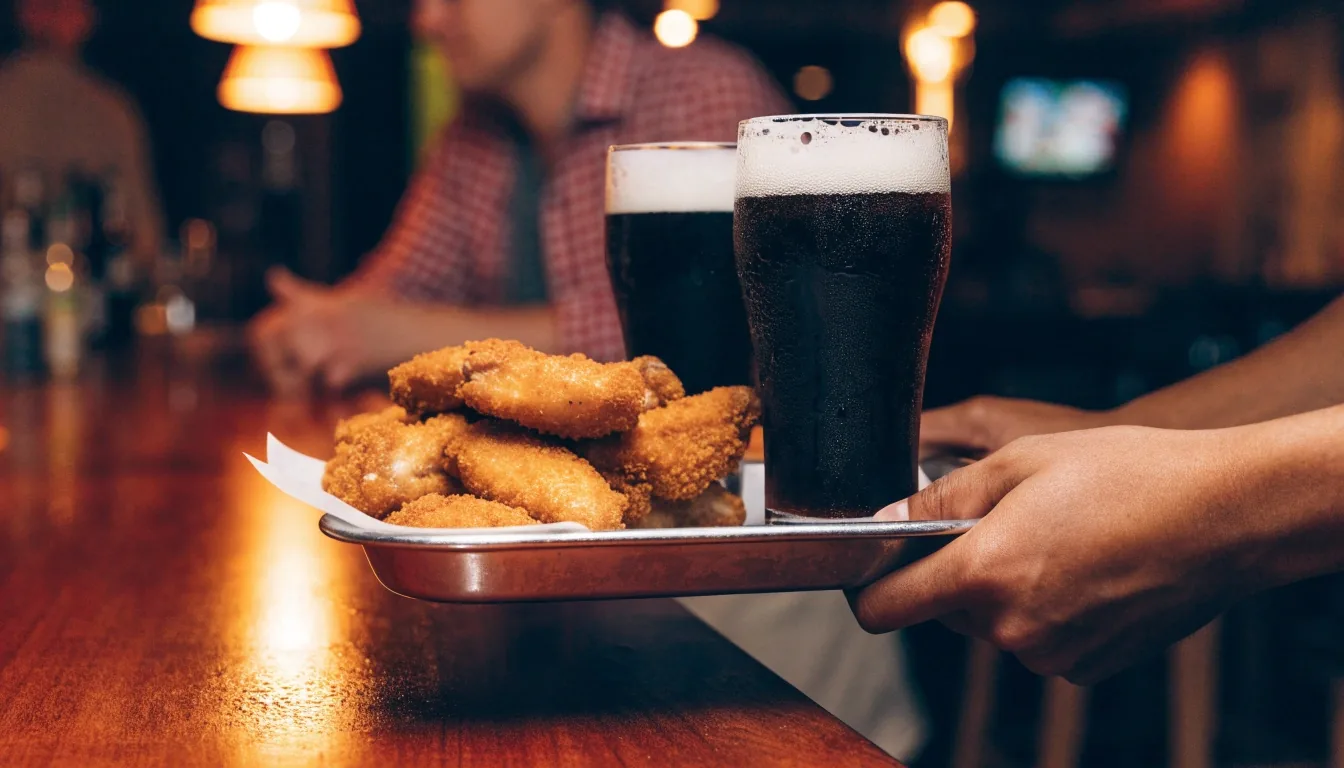
The Menu, Category by Category
What to order on the Miller's Ale House menu
The millersalehouse menu is long on purpose. It is built so a table of six with six different appetites can all order without splitting up — Zingers, wings, burgers, and enough grilled entrées to keep the whole table seated. Here is how the categories actually work, and how to order for a weekday lunch versus a group dinner.
Read the room before you order
Lunch at Miller's Ale House and dinner at Miller's Ale House are two different experiences from the same kitchen. At midday the room is quiet, the burgers and sandwiches move fast, and the weekday lunch specials are part of how the chain earns repeat traffic.
At night, especially on a game day, the same menu is being fired for a full room. Shareables become the right unit of ordering, entrées become optional, and a pitcher for the table beats six separate drinks.
Nothing below is a ranking. It is an order of operations: read the chicken section first, then decide whether your table wants handhelds or grilled plates, then let the sides and the draft list fill the rest of the table.
The seven sections of the menu
Where each kind of order actually lives
Below is the menu as a reader would meet it, category by category. Each row names what the category does well and where it stops being the right call — useful whether you are ordering alone at the bar or running a table of eight.
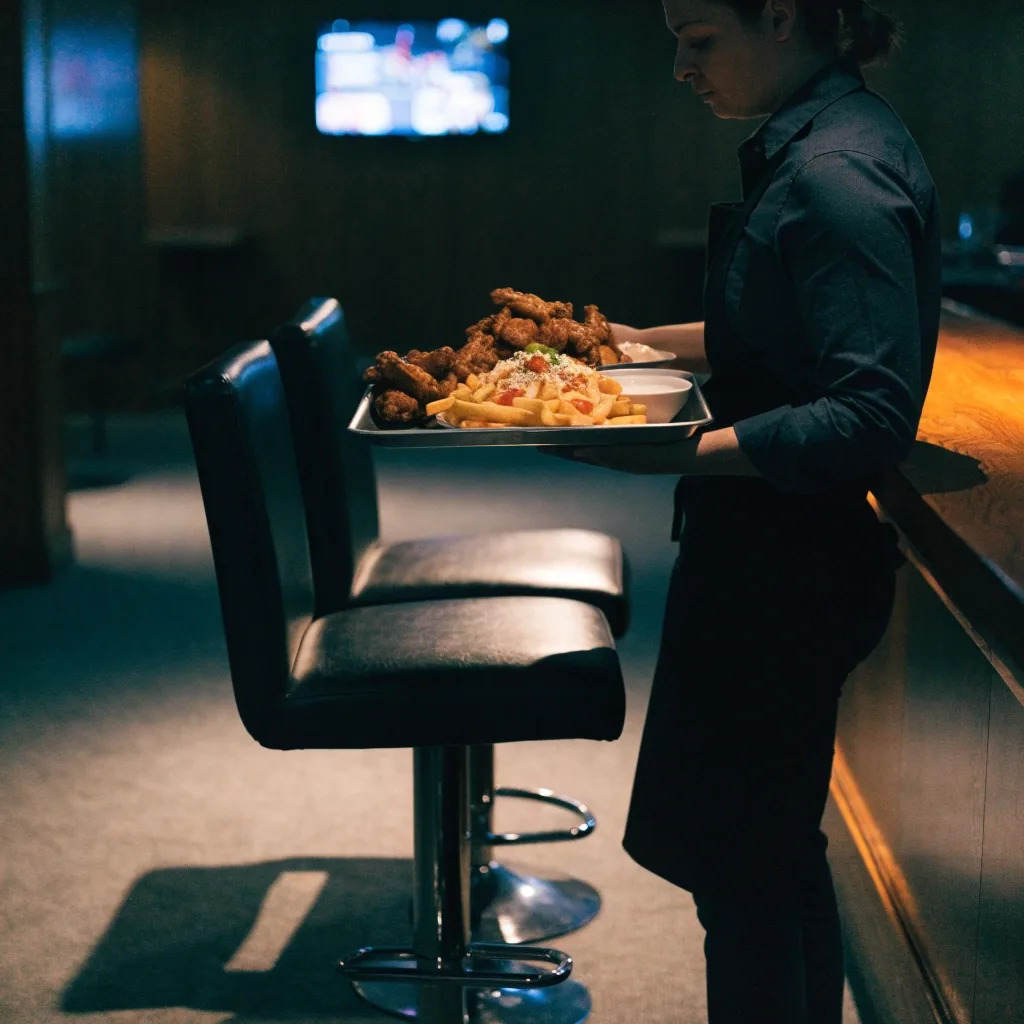
The signature order
Zingers are the reason people know this menu
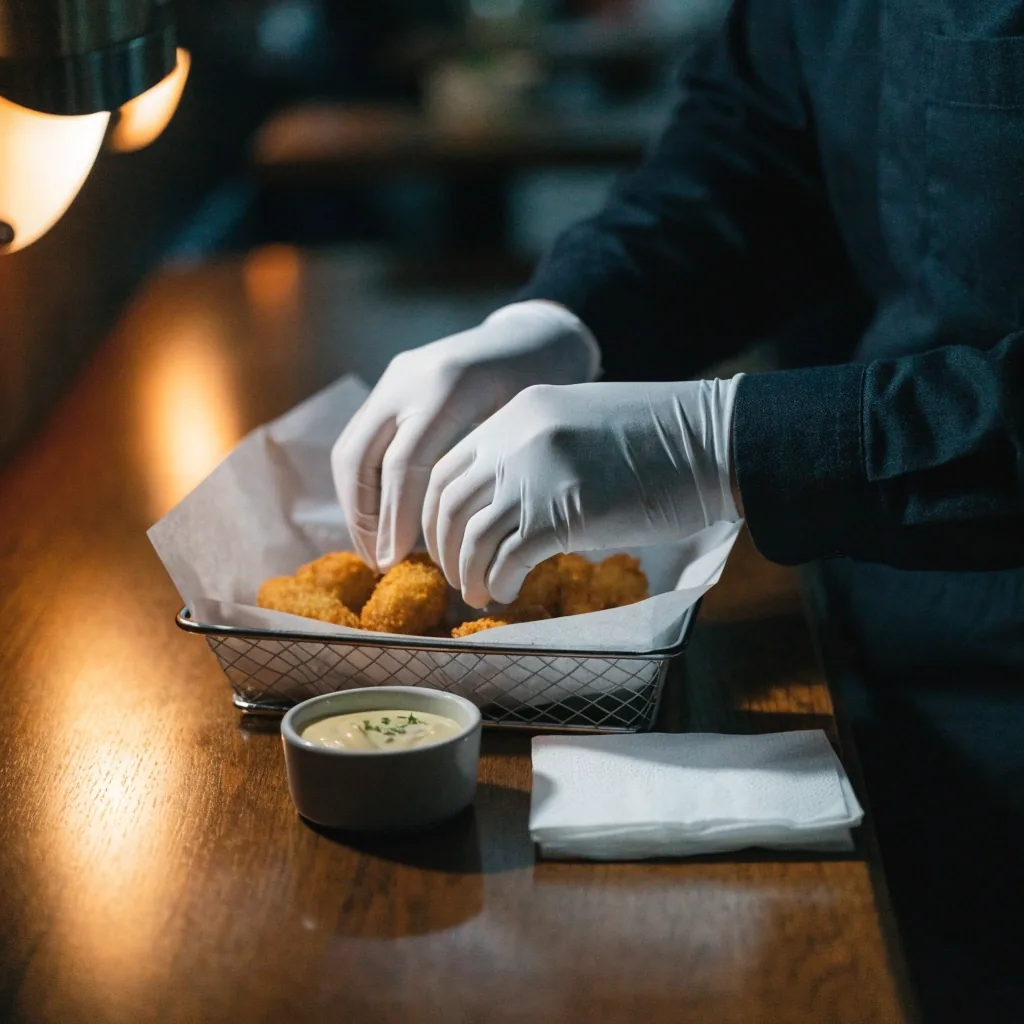
Zingers are the item Miller's Ale House is most associated with, and they are the logical first order for anyone new to the chain. They are boneless chicken, served in styles that run from straightforward to heavily sauced, and they work as a starter or as an entrée depending on how they are plated. If you have read anything about the millersalehouse brand before walking in, this is the plate that sentence was about.
For a group, Zingers are one of the safest shareables on the menu. They hold up on a table for a while, they do not need utensils, and they survive being passed around a booth. Order them alongside wings if you want a direct comparison between the two chicken formats — that pairing tells you more about the kitchen than any single plate will.
Ordering them as an entrée instead is a real option, not a compromise. A plated order with a side is a full meal, and it is usually faster to the table than a steak. If someone in your party is unsure about the menu, this is the safe recommendation to give them.
Good as a starter
One order per three or four people covers the wait before entrées.
Good as an entrée
Plated with a side, it is a complete order and it arrives quickly.
Good for sharing
No utensils needed, so it works at a crowded bar-height table.
Two formats, one sauce decision
Wings, bone-in and boneless
The chain runs both bone-in and boneless wings, which matters more than it sounds. Bone-in wings have more texture and hold sauce differently; the boneless versions eat more like nuggets and tend to be the faster option for a table that is hungry now.
Sauce choice is where most of the variation lives. If you are sharing, order a mild and a hot and let the table sort it out rather than trying to pick one heat level for six people.
Wings are also the item that most invites comparison with other sports-bar chains, both of which built their reputation on the same category. We keep that side-by-side on our comparison page, category by category.
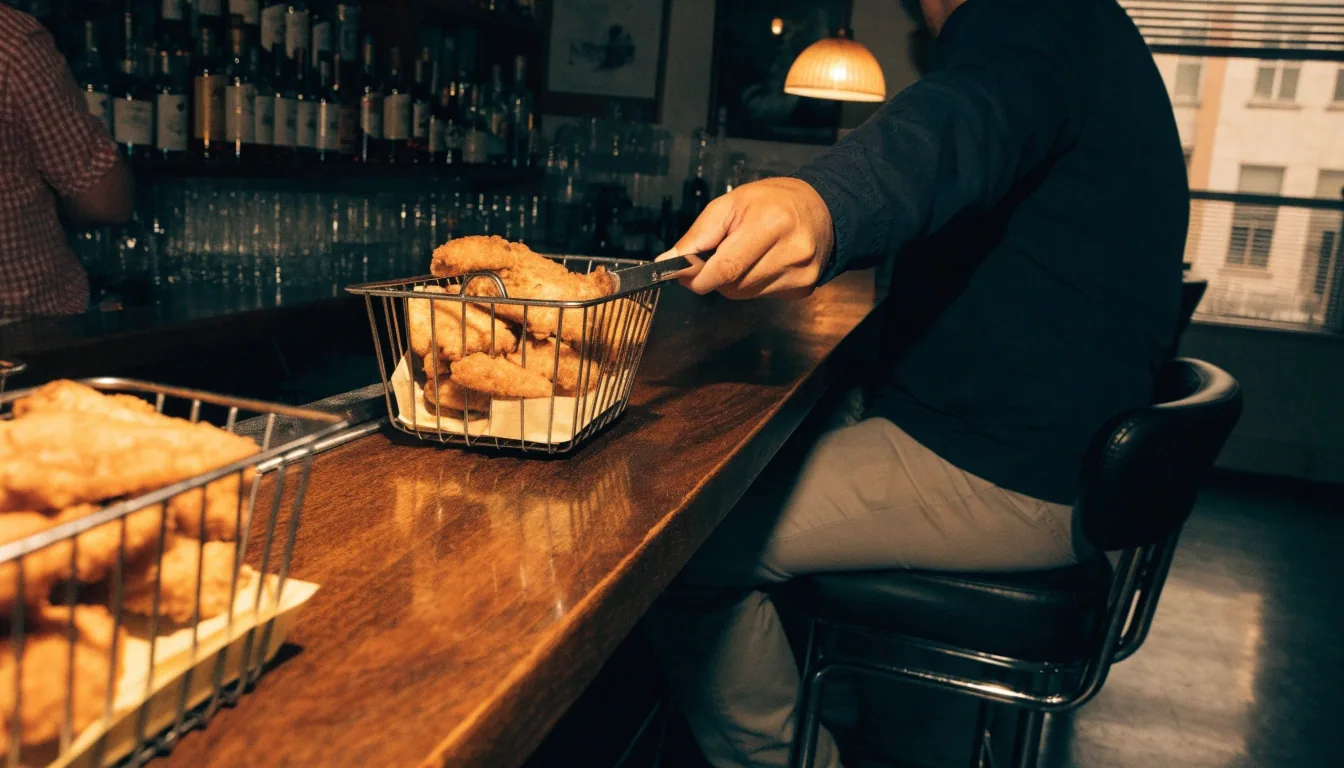
Two baskets, two formats, one sauce conversation — the pairing that tells you how the kitchen works.
The lunch engine
Burgers and sandwiches do the heavy lifting
Burgers arrive faster than entrées, they are easy to eat at a bar-height table, and they pair with the draft list without much thought. The sandwiches follow the same logic. If you are on a workday break and want to be back at your desk, this is the section of the menu to scan first, because it is where the kitchen is most practiced at turning orders quickly.
This is also the safest part of the menu for a mixed table. Nobody has to commit to a fried basket or an entrée-sized plate. A burger, a sandwich, and one shared starter covers three people who each want something different.
If you are ordering at the bar rather than a table, handhelds are the practical choice: one hand free, no cutlery, and nothing that needs a cleared surface to finish.
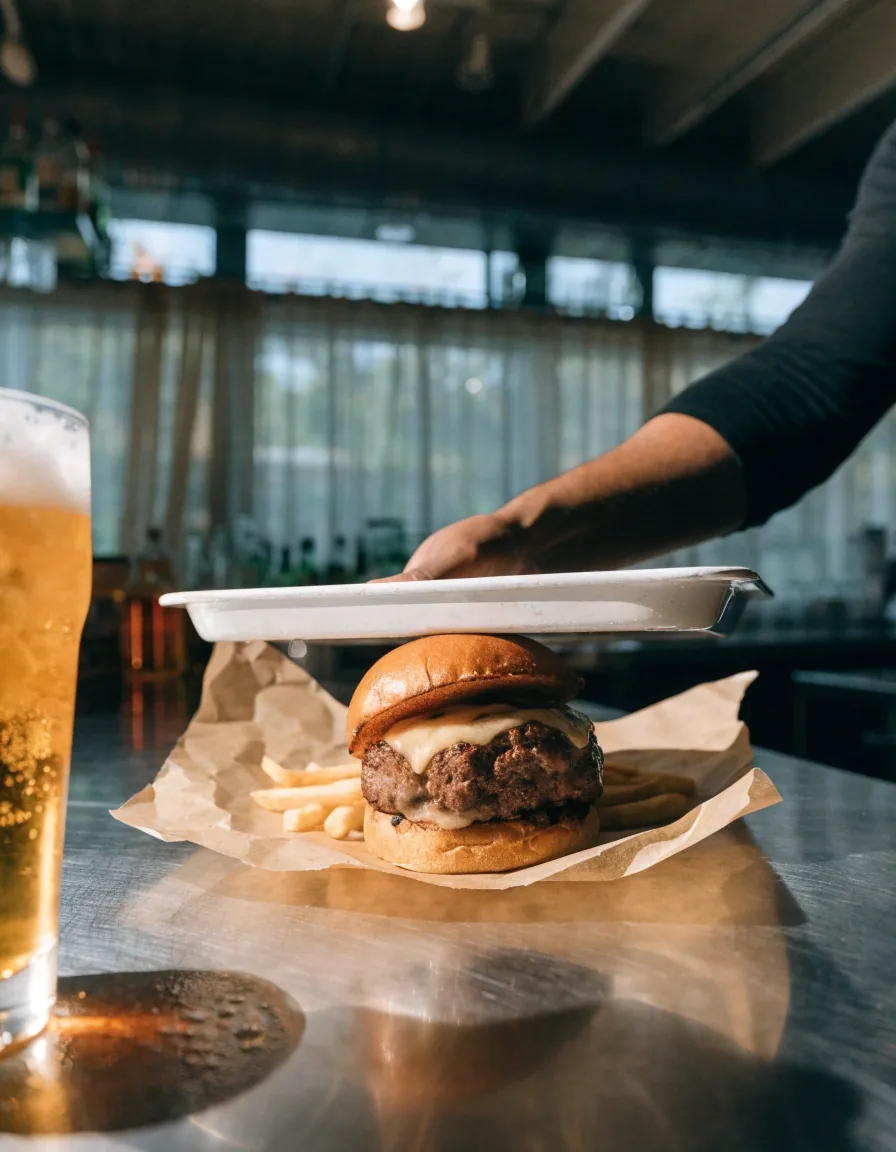
A burger on the bar, cut to show what is inside — no plate styling, just the order as it lands.
Lighter orders
Salads carry a real job
Salads exist on this menu for a concrete reason: someone in every group wants one. They are also the category that separates a bar-and-grill from a pure sports bar, and knowing they are there changes how you plan a table.
If you are eating lighter before a long game, or splitting a table between wings and something green, this section carries that job. Portions run large, so a salad plus a shareable is usually enough for two people — you do not need to add an entrée on top of it.
A practical note for mixed tables: ordering one salad alongside a couple of shareables gives everyone at the table a way in. It also takes the pressure off whoever in the group does not want fried food.
Pair it with a shareable
One salad plus one chicken basket covers two people comfortably.
Plan for the portion size
They run large, so a single order is not a small plate at this table.
Breadth on the menu
Steaks and seafood keep the whole table seated
Steak and seafood entrées put Miller's Ale House in the same conversation as LongHorn Steakhouse and Bonefish Grill, at least on paper. The execution is casual rather than steakhouse-grade, and that is worth knowing before you order a steak expecting a steakhouse experience.
Where these entrées genuinely help is breadth. They let a group that includes someone who does not want wings or burgers stay at the same table. That is the whole reason the section exists, and it does that job well.
Grilled entrées are also the better pick if you are eating before a long game. A grilled plate sits differently than a fried basket when you have three hours of sitting ahead of you.
If you want the full side-by-side on how these chains differ, we keep that on our comparison page, and our about page explains how we pick which chains to cover.
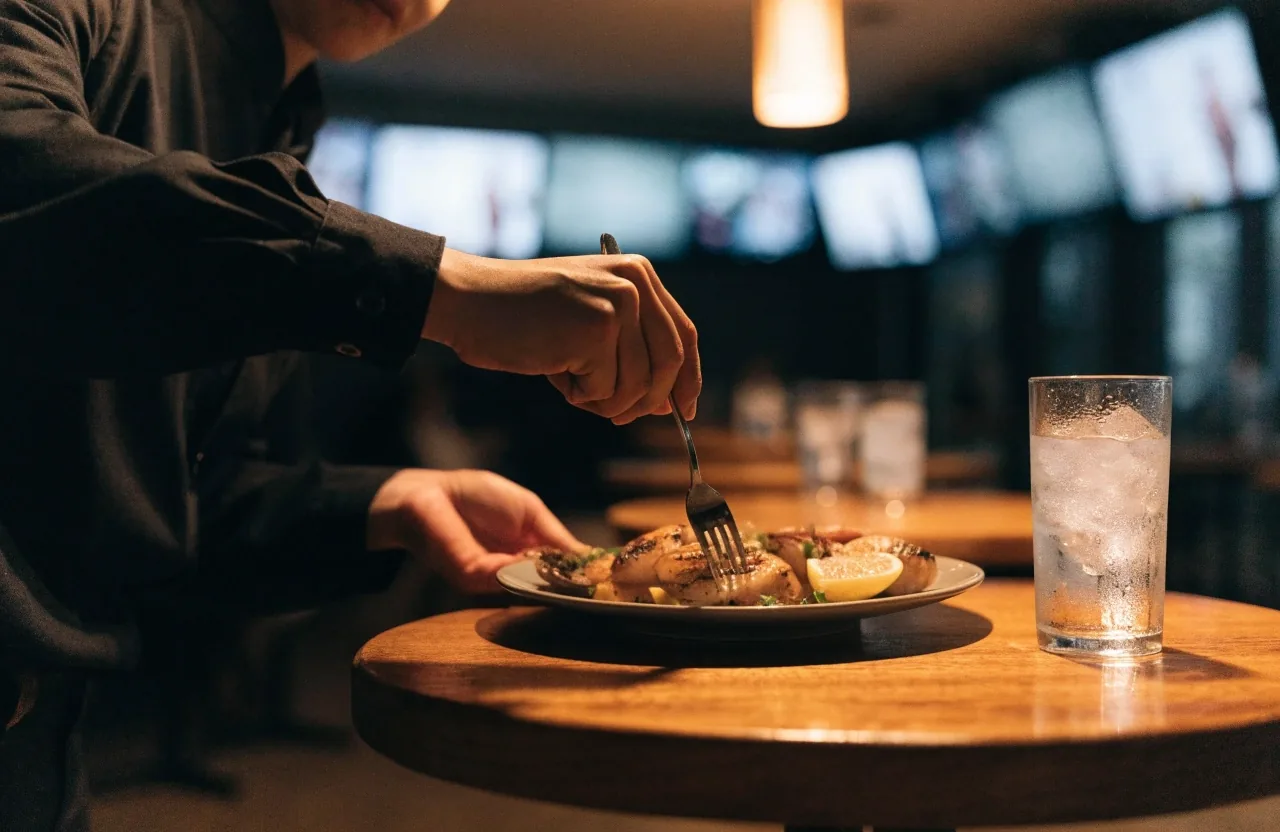
A grilled plate arrives looking like a full restaurant entrée — casual execution, broad-menu purpose.
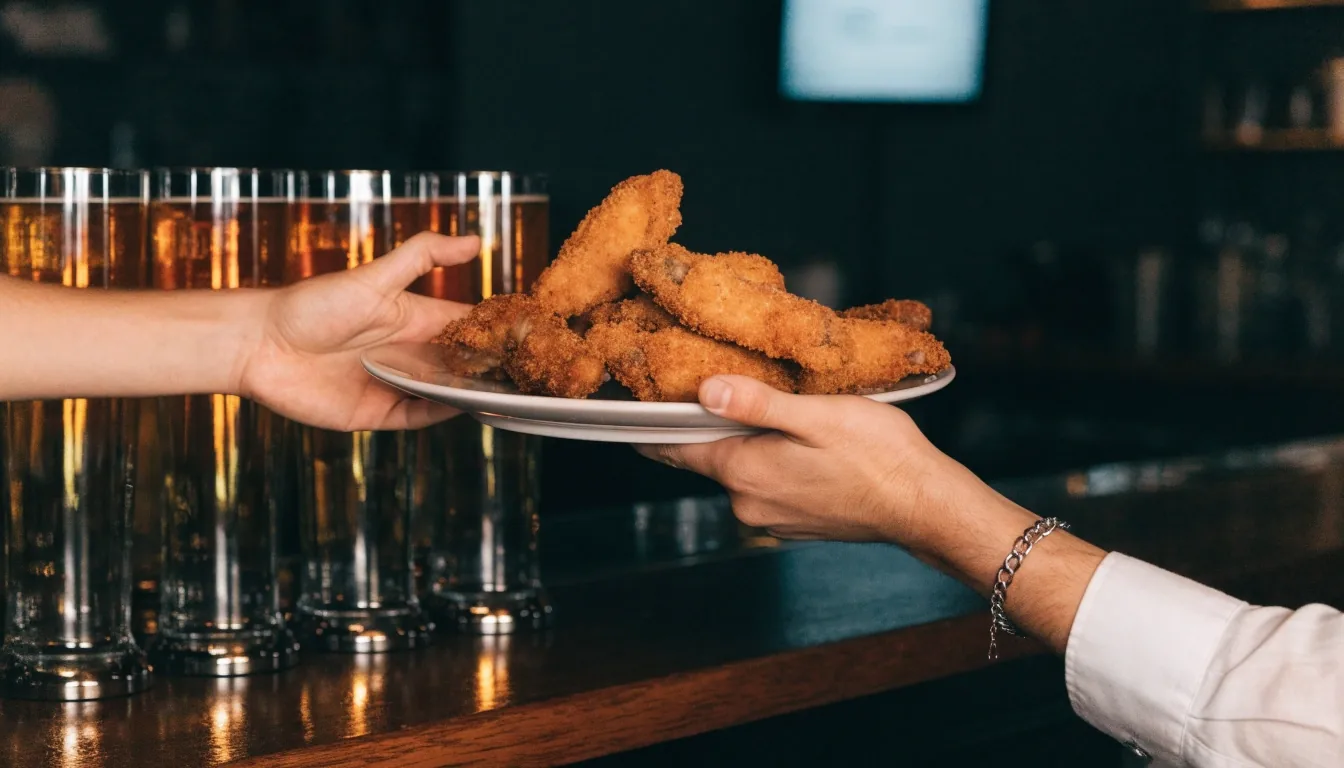
Weekday timing
Lunch is a different menu experience
If you want to try the menu without a game-day crowd, a weekday lunch is the easiest way in. Same core items, less noise, quicker service.
It is quieter
A weekday lunch does not carry the same room noise as a game-day evening, which makes conversation at a mixed table easier.
It moves faster
The kitchen is turning handheld orders and salads quickly at midday, so the burger and sandwich section is your fastest route through the menu.
Specials run at lunch
Weekday lunch specials are part of how the chain earns repeat visits. If the same core dish is available at a lower entry point at noon, order at noon.
Order the core items
Lunch is a good time to try Zingers and a burger if you have not yet, because you will get them with less waiting and quieter surroundings.
Skip the big entrées
Save grilled plates and steaks for when you have time to sit with them. At lunch they take longer than the handhelds and add nothing special.
Bring a quieter table
A weekday lunch is the better setting for a work meal, a family visit, or anyone who wants to actually read the menu before deciding.
A worked example
Six people, one table, one round of ordering
Two chicken items at the center — a Zingers order and a wings order at two different heat levels. One or two shareable sides, a salad if anyone in the group wants something green, and a pitcher or round of drafts for the table. Entrées stay optional. If one person does not want chicken, add a seafood or grilled plate for them and the rest of the table does not change.
Shareables first
Ordering for a group is a shareables decision
The shareables format is the answer for groups, and it is worth committing to rather than hedging. Here is the shape of an order that works for six, whether you are at a booth on a Saturday or a table midweek.
Pick two chicken items
Zingers and wings — the two most-comparable plates on the menu
Add one or two shareable sides
Dips, loaded sides, anything that lives in the middle of the table
Cover the non-chicken eater
A salad or a seafood entrée keeps them at the same table
Let entrées be optional
Shareables plus a side usually leave nobody hungry
Order a pitcher for the table
One round of drafts covers six people better than six separate drinks
Where the menu lines up
How the categories compare across chains
The menu is easier to read once you know where each plate sits against the chains that built their name on the same category. This is not a ranking — just what each kitchen is known for, side by side.
| Category | Miller's Ale House | Buffalo Wild Wings | Hooters |
|---|---|---|---|
| Signature chicken | Zingers — boneless, plated as a starter or entrée. | Wings, with a deep flavor-and-sauce program. | Wings, as the anchor of a narrow menu. |
| Wing formats | Bone-in and boneless, both on the menu. | Bone-in and boneless, with the sauce choice as the focus. | Wings are the category, not the side. |
| Beyond bar food | Salads, steaks and seafood broad enough to seat a mixed party. | Burgers and handhelds beside the wing program. | Focused on wings plus a small selection of bar plates. |
| Best fit for | A mixed table and a long game on the screens. | Wings as the whole reason for the visit. | A quick, wing-focused stop. |
A general line-up based on menu categories each chain is known for. Prices, portions, and availability vary by location and season.
On a first visit
What to skip the first time you go
Ordering a steak or a seafood entrée on a first visit is a mistake if your goal is to understand the chain. Those items exist to broaden the menu, not to define it. They are also the slowest thing to arrive and the least characteristic of the kitchen.
Start instead with Zingers, wings, and a burger. If those land well, come back for the grilled entrées on a second visit, when you already know what this kitchen does well and you can judge the steak on its own terms rather than against a steakhouse.
The same logic applies to the salads if you are ordering for one. They are good, they are large, but they are not the reason people look up the millersalehouse menu in the first place. Treat them as the table's balance, not the headline.
-
1
Order the boneless chicken first. It is the clearest read on the kitchen.
-
2
Add a wings order at a different heat level to compare the two formats.
-
3
Save the grilled plates and steaks for a second trip, when you know the baseline.
Reader questions
Answers before you sit down
What is Miller's Ale House best known for on the menu?
Zingers, the chain's boneless chicken. Wings, burgers, and a broad menu that includes salads, steaks, and seafood round it out.
Does the menu have lighter options?
Yes. Salads and grilled entrées sit alongside the fried and handheld items, and portions tend to run large.
What should I order for a large group?
Two chicken items (Zingers and wings), one or two shareable sides, and a round of drinks. Let entrées be optional.
Is the steak menu comparable to a steakhouse?
No. Steak entrées here are part of a broad casual menu, not a steakhouse program. LongHorn Steakhouse and Fogo de Chão operate on different models.
Keep reading
Where to go next on the guide
Once you have a feel for the menu, the two most useful next reads are how the room behaves on a game day and how this menu stacks up against the chains that share its categories. If a detail on this page reads wrong to you — a category, an ordering tip, a comparison line — tell us and we will look at it again.
About this guide
Miller's Ale House Guide is an independent editorial blog, not affiliated with the restaurant chain. We write about menus, game-day service, and how U.S. casual-dining and sports-bar chains compare.
1521 Bellevue Ave, Seattle, WA 98122, USA
Monday–Friday, 9:00 AM – 6:00 PM
New to the guide? Start with how we research and write, then browse the journal.